

Star Gather
Star Gather offers precise beam control and glare reduction via advanced optical design, ideal for professional lighting systems. This lens-series product integrates seamlessly wit
View productQualifying an optics partner comes down to who actually owns the engineering. Whether you are screening an optical lens manufacturer for a custom beam profile or benchmarking an optical lens supplier against your incumbent for repeat volume, the same questions decide the outcome: who owns the optical design, who controls the tooling, who runs quality control, who can trace materials and components, and who keeps the process stable across repeat orders. The modules below turn those questions into a working evaluation path, using the Lens Series fixtures as evidence of capability.
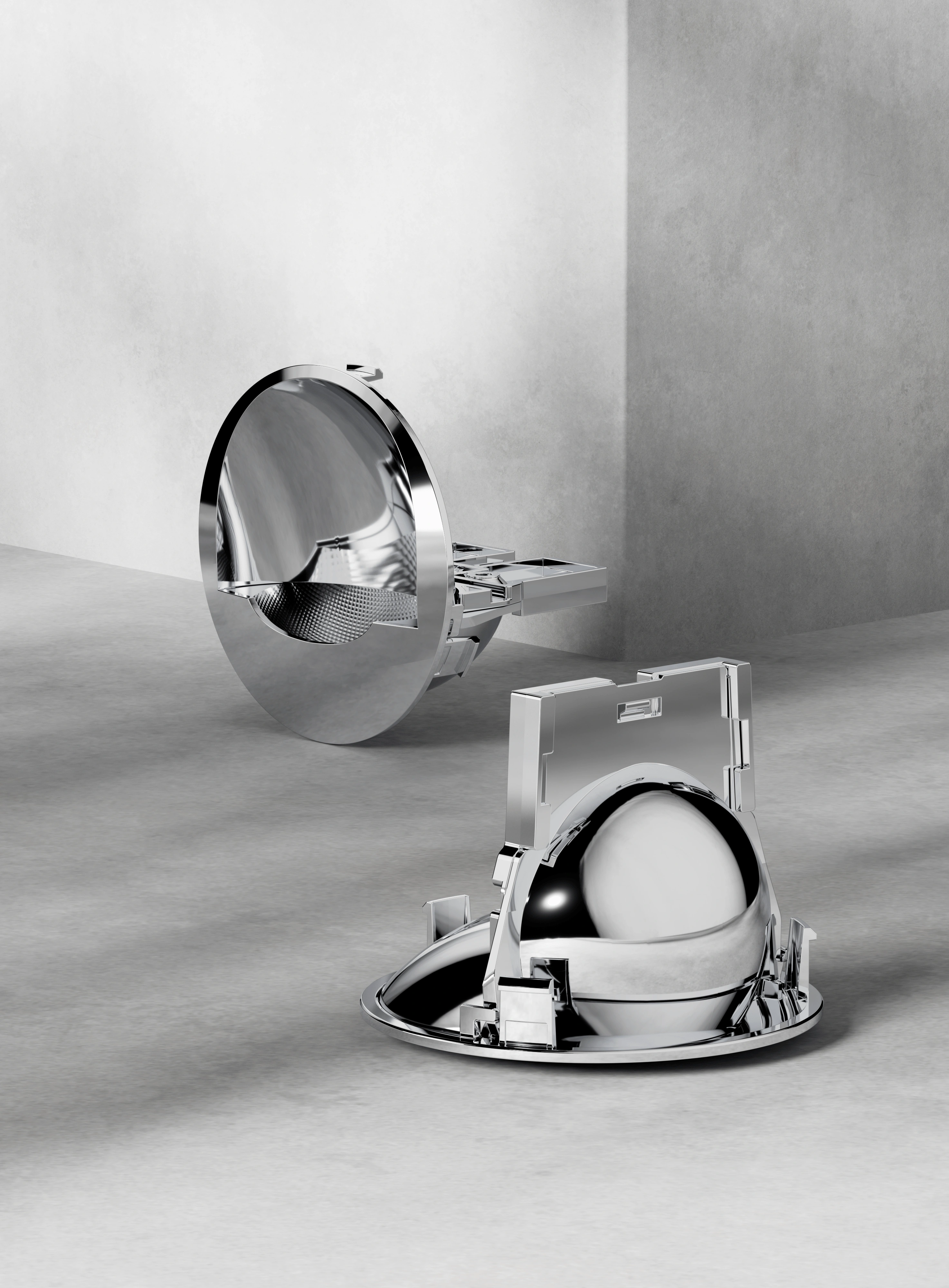
Three entry points change which criteria carry weight. Score the partner against the route that matches your project before you compare unit cost.
Your beam profile does not exist off the shelf. Weight optical design ownership, simulation-to-sample accuracy and the discipline that keeps a validated sample identical in mass production.
You have a fixture platform and need optics at repeatable quality. Tooling control, quality control discipline and production stability matter as much as price per unit.
You are specifying recessed, track-light or linear housings. Start from the fixture format and the optical behaviour the space needs, then confirm compatibility instead of assuming it.
Both column answers can sound identical in a sales conversation. The difference shows up when you ask for the process behind each claim.
| Checkpoint | What a true manufacturer shows | What a trading supplier usually shows |
|---|---|---|
| Optical design ownership | Lens geometry and beam behaviour are developed in-house, and the design stays with the team that produces it. | Your brief is forwarded to a third-party factory; design feedback arrives second-hand. |
| Tooling control | Holds or directly controls the tooling used for lens production, so geometry changes and capacity are scheduled internally. | Depends on an outside factory's schedule; lead time is negotiated rather than planned. |
| Quality control | High-precision optical components are verified under stringent quality control before they are released. | Relies on a factory inspection certificate, with limited visibility into the actual process. |
| Material & component traceability | Can trace materials and components back through the supply chain, aligned with industry standards. | Traceability stops at the finished unit; upstream sourcing is unclear. |
| Production stability | Repeat orders keep the same optical behaviour because tooling and process stay in one place. | Batch differences appear whenever the supplying factory or subcontractor changes. |
| Engineering response | Answers customization questions with design feedback and a sample path. | Answers with price and lead time only. |
| Commercial accountability | Quote, MOQ, lead time and after-sales support sit with the same organization that builds the optic. | Technical ownership and commercial terms sit in different companies. |
Star Curtain is a modular lighting fixture in the Lens Series, built around advanced lens optical design. It turns the capability conversation into something you can specify.
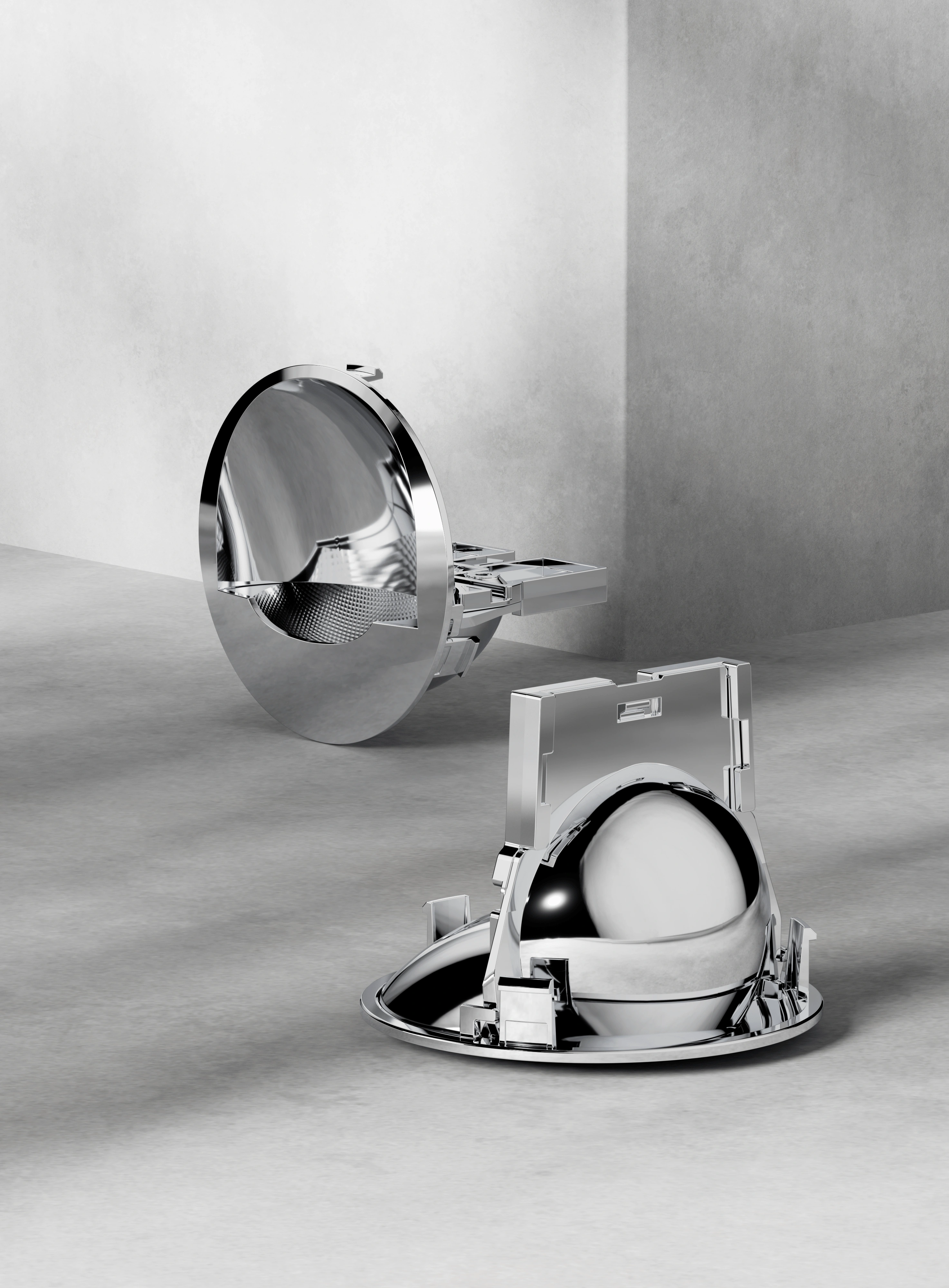
Star Curtain is supplied through a quote request. Beam angles and light distribution are customization options, so the exact configuration is confirmed against your project brief instead of a fixed catalogue value.
Engineered lens optical elements deliver uniform light distribution, while the lens optical system is designed to reduce stray light and optimise beam shape for the space it serves. The fixture is compatible with intelligent control systems, supporting dynamic scene management across a project.
Because the fixture is modular, service and maintenance are handled through the assembly rather than a fixture replacement. For a commercial project that means a shorter intervention window and fewer spare parts held on site.
Score each criterion from 1 to 5, then apply the weight. A partner that fails a high-weight criterion cannot be rescued by a low unit price.
High-precision optical components verified under stringent quality control, with a process that repeats the same result on the next order.
Weight: highEnergy-efficient LED technology optimised for reduced power consumption, and optical components engineered to support long-lasting efficiency.
Weight: highWhether tooling, production and delivery milestones are planned internally or negotiated around an outside factory's schedule.
Weight: highCustomizable light distribution with tailored beam angles, and a modular design that absorbs specification changes without a redesign.
Weight: highHow the minimum order changes between a trial sample, a pilot batch and a repeating programme order.
Weight: mediumWho answers technical questions, how quickly a customization query returns design feedback, and whether one contact owns the programme.
Weight: mediumHow replacements, service and technical follow-up are handled once the fixture is installed on site.
Weight: mediumThe same optic behaves differently across fixture formats and rooms. Match the format first, then confirm the optical behaviour the space requires.
Designed for seamless integration in recessed fixture systems, keeping the ceiling line clean in guestrooms, corridors and office ceilings.
Feature: recessed fixture integration · discreet, unobtrusive aestheticAlso designed for track-light systems, which suits retail displays, galleries and hospitality areas where aiming matters more than ceiling uniformity.
Feature: track-light integration · customizable light distributionCompatible with standard recessed fixture setups, so the optic can be integrated into existing architectural frameworks rather than forcing a redesign.
Feature: compatibility with standard recessed setups · modular assemblyBeam shaping and stray-light control keep the light on merchandise instead of the surrounding aisle.
Feature: stray-light reduction · precision-controlled illuminationGlare control and uniform distribution keep public areas comfortable while the fixture stays visually discreet.
Feature: glare reduction · uniform light distributionUniform light distribution plus intelligent control compatibility supports scene changes across working hours.
Feature: intelligent control compatibility · uniform distributionCustomizable beam angles and precise optical control suit exhibits that need tight, controllable accents.
Feature: customizable beam angles · custom light distributionUse this table to move from the space in front of you to the optical behaviour you should specify, and to the decision that has to be made before the order is placed.
| Scenario | Optical priority | Star Curtain feature that matters | Buyer decision to close |
|---|---|---|---|
| Hotel guestrooms and corridors | Low glare, even illumination, quiet operation | Glare control, uniform light distribution, quiet operation | Confirm glare acceptance on a sample before specifying volume. |
| Retail display and merchandise walls | Controlled beam shaping with minimal spill | Lens optical system reduces stray light; customizable beam angles | Fix the beam angle per product zone before any custom tooling starts. |
| Open office and meeting rooms | Uniformity across the plan with scene flexibility | Uniform light distribution; intelligent control compatibility | Check control-system compatibility against the installed lighting scheme. |
| Gallery and exhibit display | Precise, tightly controlled accents | Customizable light distribution; discreet aesthetic | Prioritize beam precision over maximum output. |
| Hospitality lobbies and public areas | Visual comfort with a long service life | Energy-efficient LED technology; robust, durable construction | Compare lifecycle cost instead of unit price alone. |
| Custom luminaire programme (OEM/ODM) | A beam profile that does not exist off the shelf | Advanced lens optical design; modular assembly | Validate a sample before committing to tooling. |
These are the assurances that decide whether a specification survives commissioning, handover and the first service call.
Bring the brief, the fixture format and the optical behaviour you need. The quote confirms configuration, beam angle, quantity and commercial terms for your programme.
Keep adjacent product options together for a faster catalog comparison.
Star Gather offers precise beam control and glare reduction via advanced optical design, ideal for professional lighting systems. This lens-series product integrates seamlessly wit
View product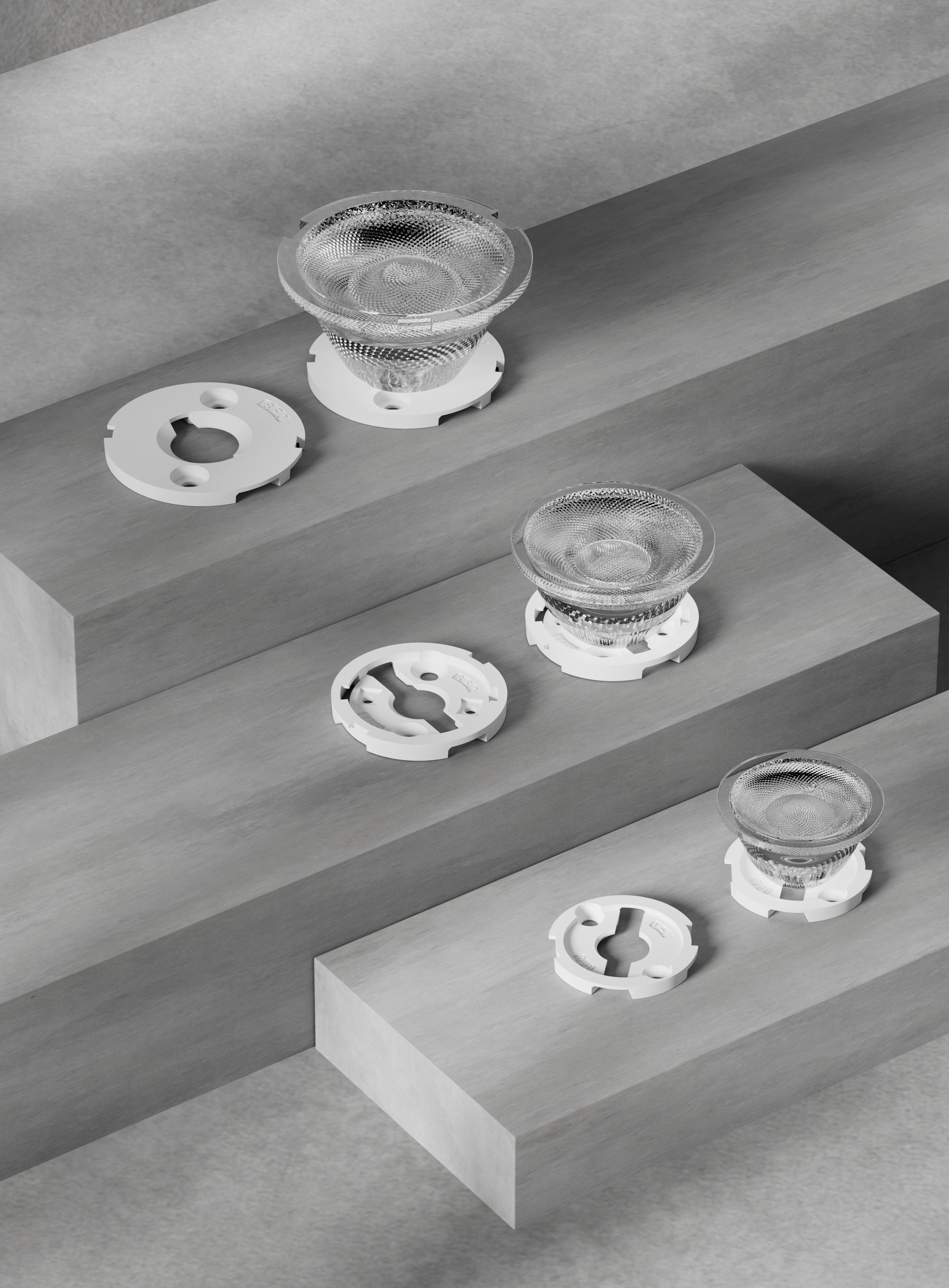
The Star Joy glare-controlled track light delivers precise illumination with minimized visual discomfort. Engineered by expert optical lens manufacturers, it suits commercial led l
View product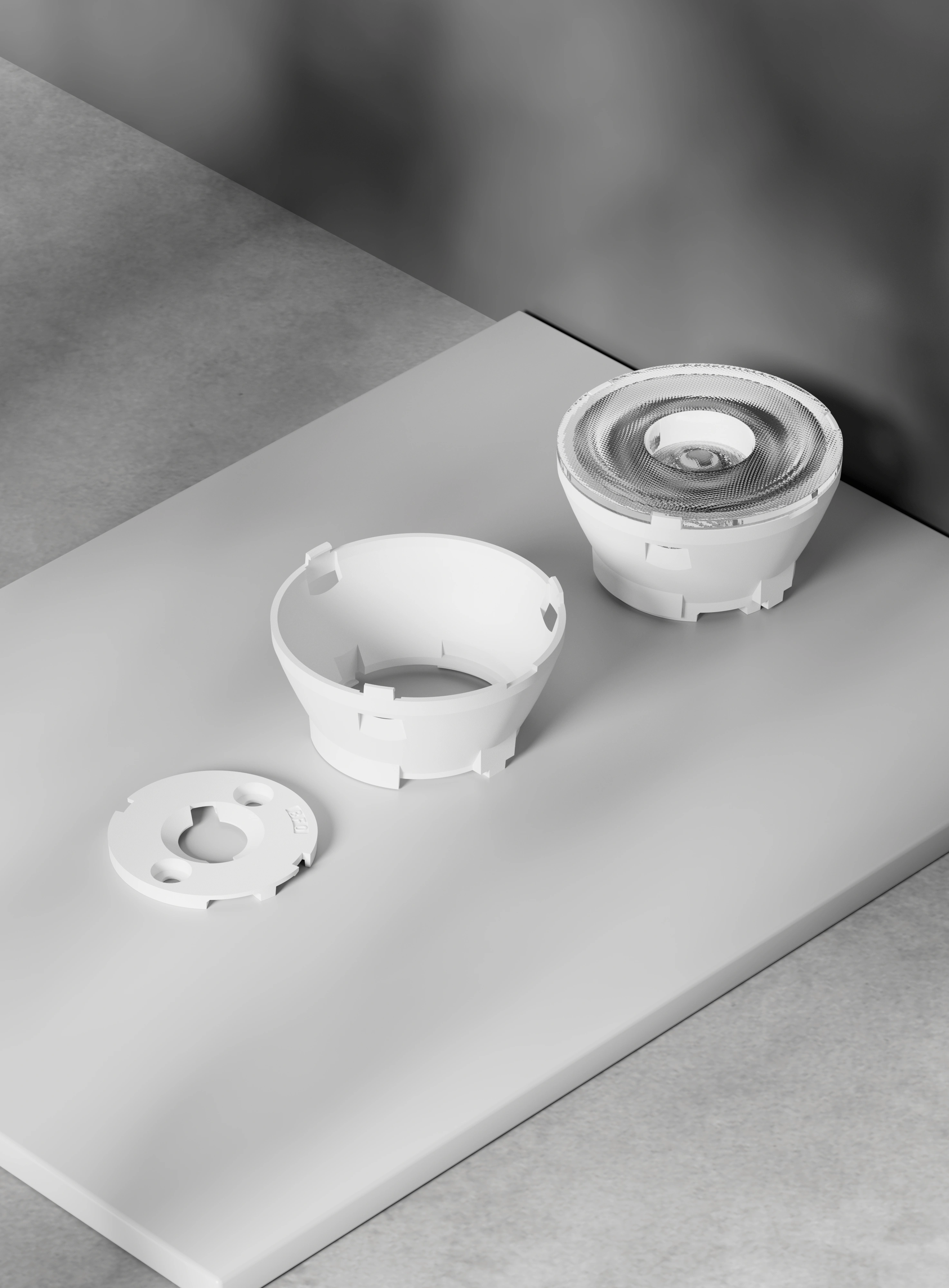
Star Build offers precise, uniform illumination with controlled glare, designed for architects and lighting professionals. This advanced optical lens solution integrates seamlessly
View productreview the product details, images, and specifications presented on the official product page.
use the application and use-case information published on the official product page.
confirm the specifications and options listed for the exact product variant before placing an order.
check the official product page or ask the supplier about options shown for the selected product.
use the official contact or inquiry path provided on the site.
include the product page, intended use, required quantity, and any specifications you need the supplier to review.
